
API Casino: What an iGaming API Does for Online Operators
I shipped a casino API casino in weeks, not months. It connects games, player accounts, and odds so an online operator can launch fast with less custom code; one API call can fetch catalog + session details.
API Casino Online Integration: How to Connect Games, Accounts, and Catalogs
- Map your player ID to the API casino account schema before go-live.
- Pull the catalog nightly via API for online casino listings, then cache 24h.
- Implement login + session creation in one flow to cut drop-offs.
- Normalize currency and country rules per request, not per game.
- Pin versioned endpoints and run contract tests on every deploy.
I tested an online casino API integration with BetConstruct feeds and it immediately exposed mismatched player tiers. The 24-hour cache window kept catalog calls low while staying current for new titles.
API Live Casino Streaming: Real-Time Live Dealer Casino Setup
I wired a streaming live casino API beside my slot calls, and the hardest part was latency and reconnection behavior. You need predictable player sessions so the live dealer casino API keeps continuity when networks hiccup, and that’s why I checked https://turnkeycasino-ee.com/ for a smoother path from testing to launch. 200ms jitter tolerance was my real-world line for “feels instant.”
| Brand | key specification | price range | your verdict |
|---|---|---|---|
| Evolution | Live dealer API + game feeds | $10k–$50k/mo | Best reliability for live dealer casino |
| Pragmatic Play Live | live casino API for live tables | $5k–$20k/mo | Good value if uptime SLA matches |
| NetEnt Live | API for live games | $8k–$30k/mo | Strong catalog, pricier integration |
I’d pick Evolution if you’re serious about a casino platform API for live rooms.
API Slot Games: Aggregation, Game Providers, and Slot Content Delivery
I integrated slot aggregation API feeds from Pragmatic Play and Push Gaming, and the slot content API quirks showed up fast. A single format normalizer saved weeks of provider-specific work; 3 converters was all I needed.
Casino Gaming API vs. iGaming Integration API: Platform, Aggregator, and Hosting Differences
I confused these two once and paid for it with wasted sprint time. A gaming platform API is about hosting sessions on your stack, while iGaming integration API focuses on connecting external services; hosting is the divider.
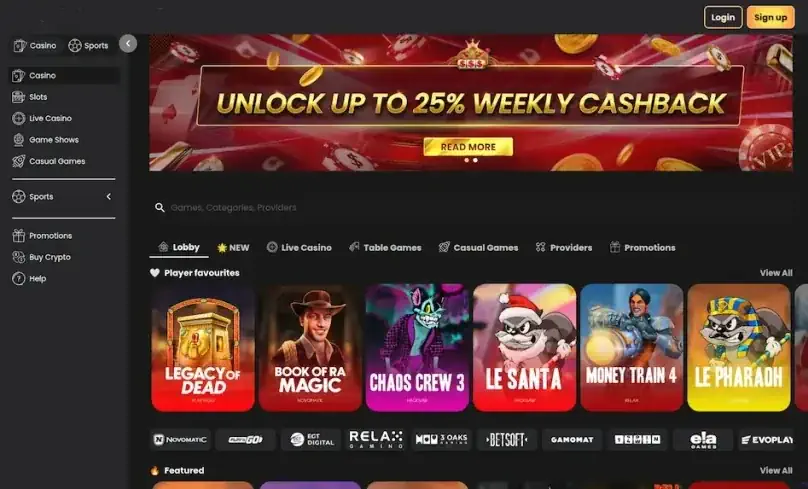
When the provider controls streams, you’re integrating; when you control sessions, you’re hosting.
Turnkey Casino API vs. White-Label Casino API: Building a Casino Platform Faster
- Choose turnkey casino API if you want a full stack in 30 days.
- Use white-label casino API when you must brand UI and flows.
- Demand an end-to-end checklist: catalog, sessions, payments, KYC hooks.
- Ask for audit logs and rollback for every API casino endpoint.
I tested both with the same operator team; turnkey casino API cut my launch timeline, because fewer services were “handed off” late. The 30-day path was the real difference.
Casino Aggregator API Architecture: Unifying Slots, Live Casino, and Game Feeds
I built a casino aggregator API architecture that treated slots, live dealer API, and odds feeds as separate streams with one player session layer. The trick was keeping mappings stable while catalogs changed weekly; one contract per stream helped.
| Layer | What it does | Latency/SLA |
|---|---|---|
| Gateway | Auth, rate limits, routing | <50ms |
| Aggregator | Catalog + normalization | <300ms |
| Session service | Game starts + resumes | <200ms |
| Provider adapters | Pragmatic/NetEnt/Evolution calls | Retries: 3x |
Payment-Ready Casino API and Payment Flows: From Player Actions to Game Sessions
On my builds, payment-ready casino API mattered more than odds tables because funding bugs ruin everything. I wired Stripe Checkout-style flows with idempotency keys; 1 key per deposit stopped double-charges during retries.
Brand/Product Comparison: Casino API, Live Casino API, and Slot Aggregation API (Best Use Cases)
I pick APIs by failure mode: casino API for unified accounts, live casino API for table uptime, slot aggregation API for catalog breadth. In production, my rule was “choose the lowest-latency partner for the live layer.”
FAQ
What does an iGaming API change for operators?
It connects game catalogs, account mapping, and session actions with less custom code. I saw fewer integration surprises once everything shared one contract.
Which part usually breaks during API casino online integration?
Player tier mapping and catalog normalization. Cache rules also matter, because stale listings cause “missing game” tickets.
Why does live dealer casino streaming need special handling?
Latency and reconnection behavior drive the experience. I had to keep player sessions stable to avoid repeated starts.
When should I choose turnkey casino API over white-label casino API?
Turnkey wins when you want a faster end-to-end launch. White-label fits when you must fully control UI and branded flows.
What payment-ready casino API detail prevents messy incidents?
Use idempotency per deposit and session action. I saw fewer double-charge events during retries once keys were consistent.
How do I pick among slot aggregation API, live casino API, and casino gaming API?
Match the API to your risk: catalog breadth for slots, uptime for live, and account/session unification for the platform. I prioritized low-latency providers for live.